Most recent

Gavekal Technologies: Briefing

The State Of Chinese AI
Arthur Kroeber, Laila Khawaja
19 Oct 2026
The AI world suffered tremors last week, as doubts began to surface about the frontier labs’ revenue growth and the rising amount of high-priced debt used to finance the US’s data center building binge. The risks raise a question: when and if the American AI bubble pops, can China race ahead? Probably not.
Gavekal Technologies: New Energy
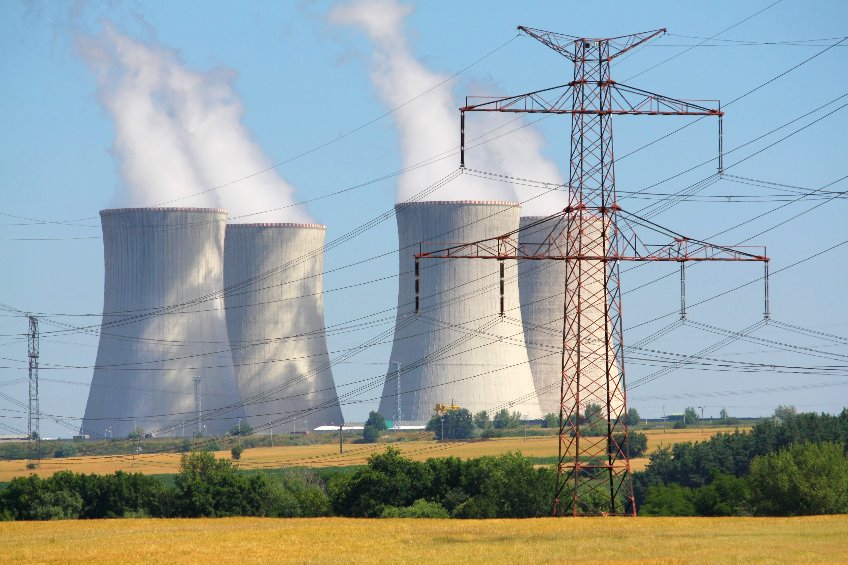
Can China Export Its Nuclear Boom?
AJ Cortese
12 Oct 2026
China is the world’s biggest builder of nuclear power plants, but unlike in other energy sectors it has not become a significant exporter of reactors. While Chinese nuclear firms have figured out how to make reactors relatively cheaply, the complexity and safety needs of nuclear projects mean they will never be able to gobble up world markets through ultralow prices, as Chinese solar, EV and battery firms have done. But over the next decade it is likely China will become an important nuclear exporter.
More research
Great Tech In Search Of Profits
On September 6-11, Gavekal Technologies held its inaugural China Tech Tour with 19 institutional-investor clients. Through a dozen site visits and in-depth conversations with senior executives, we examined China’s semiconductor, AI, new energy, robotics and biotechnology industries. This week’s China Tech Brief explores some of the key findings. By far the biggest theme was the gap between technological capabilities and corporate returns. China has plenty of globally competitive tech companies, but few that generate really attractive earnings.
GavekalTech On The Ground: 2026 China Tech Trip Takeaways
On September 6-11, Gavekal Technologies made its inaugural China Tech Trip with 19 institutional investor clients. The trip offered a close-up view of China’s tech ecosystem, including semiconductors, AI, new energy, robotics, and biotech, via a dozen site visits and in-depth conversations with senior executives. This week’s Chips report summarizes our observations in the semiconductor and AI sectors.
Chinese EV Makers’ European Offensive
Chinese EV makers have conquered their home market and are on track to export over 5mn vehicles this year, double the 2025 figure. Their next move will be to start moving production offshore, to get closer to key markets and evade tariffs. The biggest target is Europe, where half a dozen projects are under way and many more are planned.
Webinar: The State Of China Tech
As presidents Donald Trump and Xi Jinping prepare for their summit meeting in Washington, China’s fast-growing technology capabilities are a major topic. The big questions at the moment are how close Chinese artificial-intelligence labs are to matching the US frontier models, and whether the two sides can start negotiating rules on AI safety. But behind those lie even bigger questions: What is the balance of technological power between the US and China? And how far can the world's two big tech powers go in pulling apart the thick webs of interdependence that tie them together?
Breaking Up Is Hard To Do
Both China and the US have devoted intense energy to slashing their technological reliance on each other. These efforts have had some impact, but the overall lesson is that decoupling is really difficult and even as old dependencies are cut, new ones pop up. This China Tech Brief examines the underlying causes.
The China New Energy Guidebook
Over the past year Gavekal Technologies has explored most corners of China’s vast and unique energy system, with a particular focus on how electrification is transforming China’s economy and its position in the world. We have now distilled our insights into our first annual China New Energy Guidebook. This concise presentation outlines China’s strategies for its energy and electricity systems, assesses the progress of wind, solar and nuclear deployment, and analyzes the key electricity related sectors: batteries, electric vehicles, AI and the “electrotech stack.”